
 Image 1 of 10
 Image 2 of 10
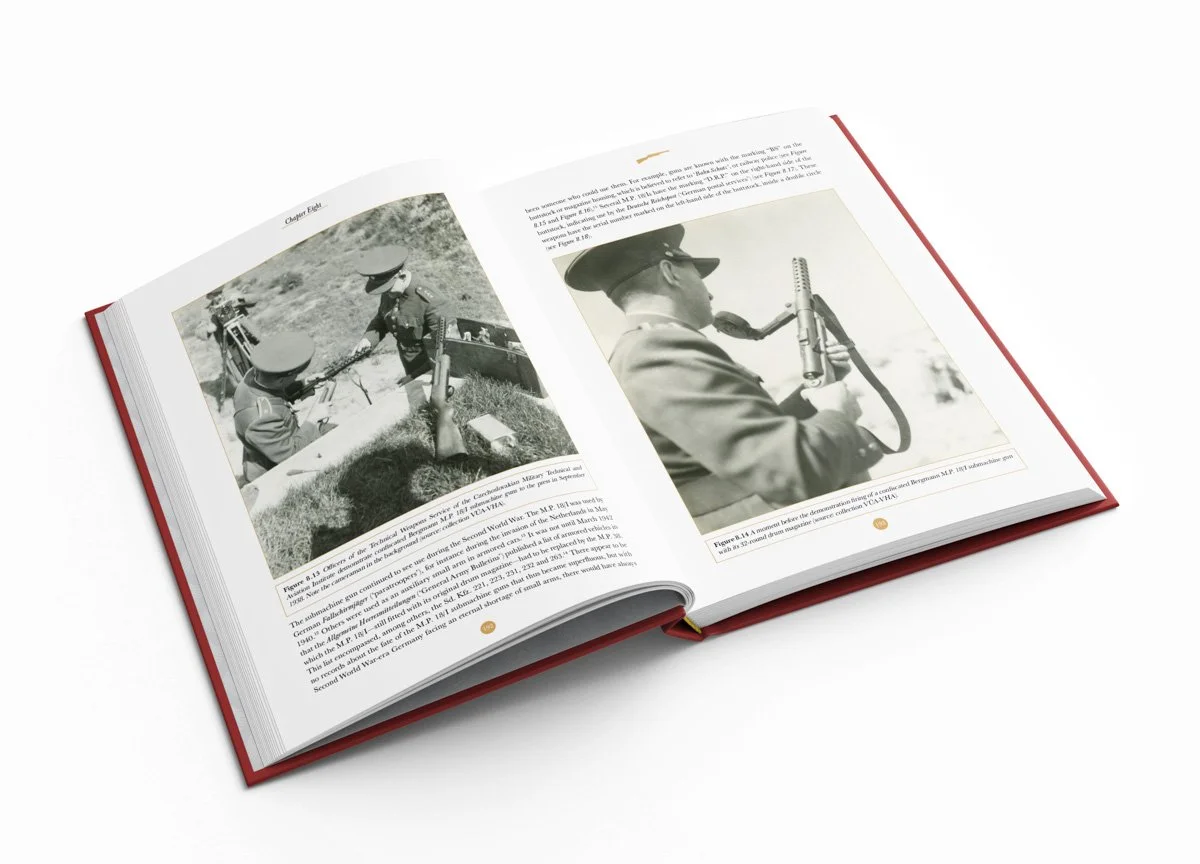 Image 3 of 10
 Image 4 of 10
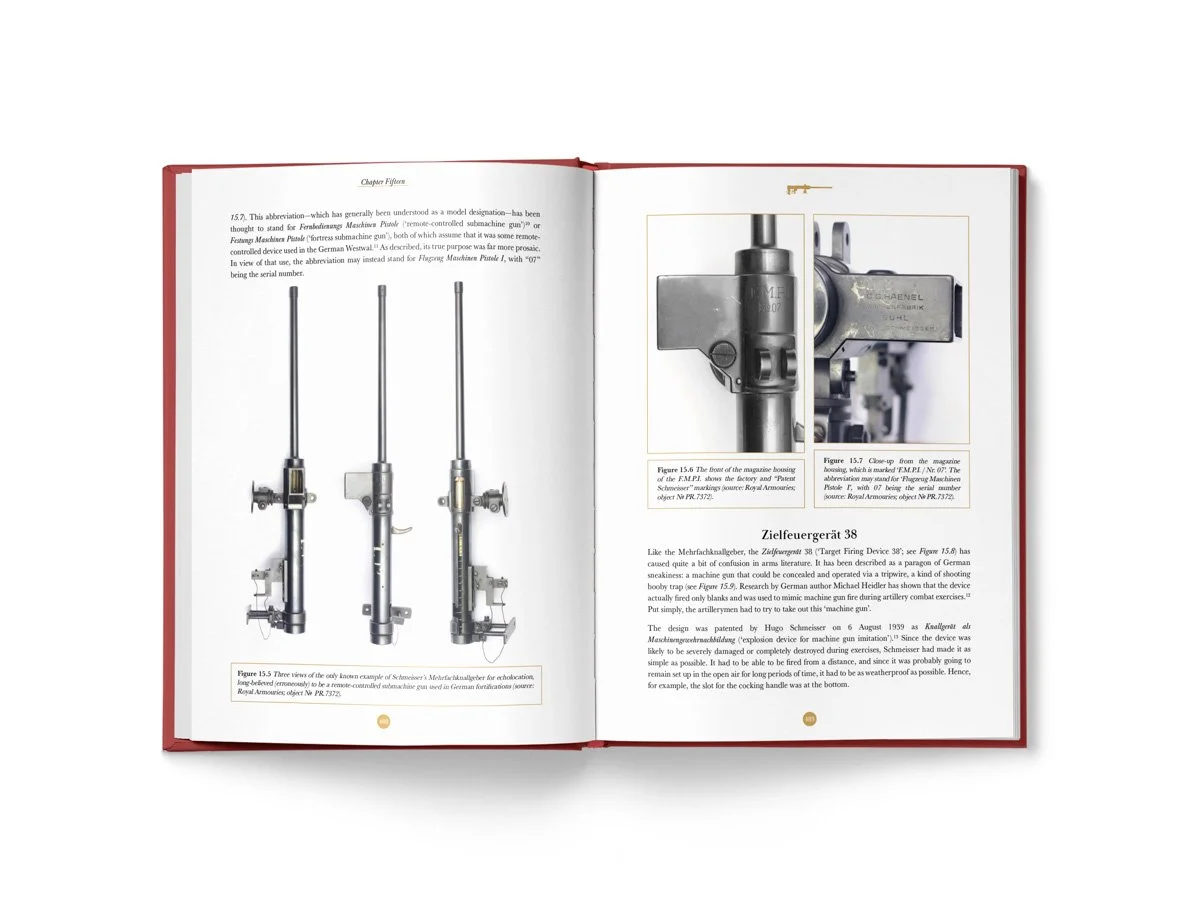 Image 5 of 10
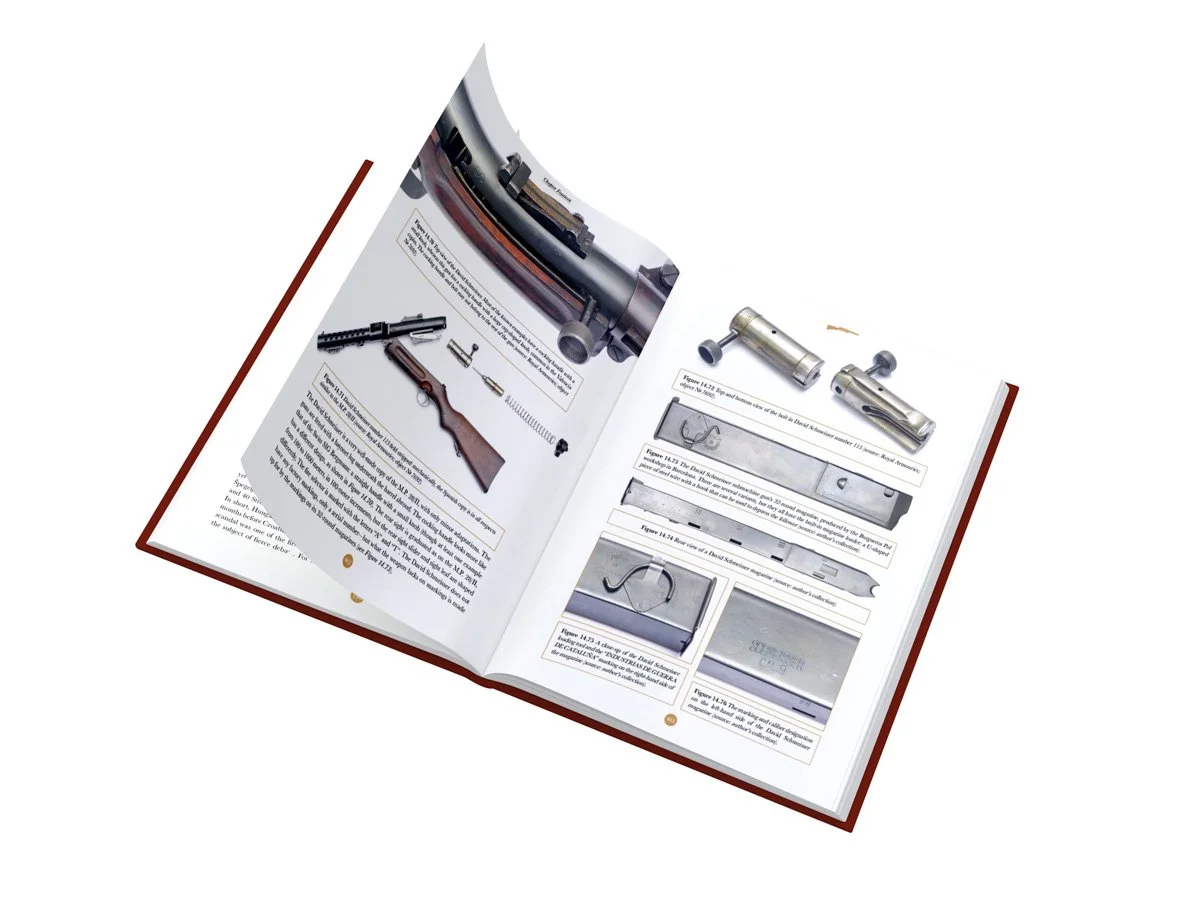 Image 6 of 10
 Image 7 of 10
 Image 8 of 10
 Image 9 of 10
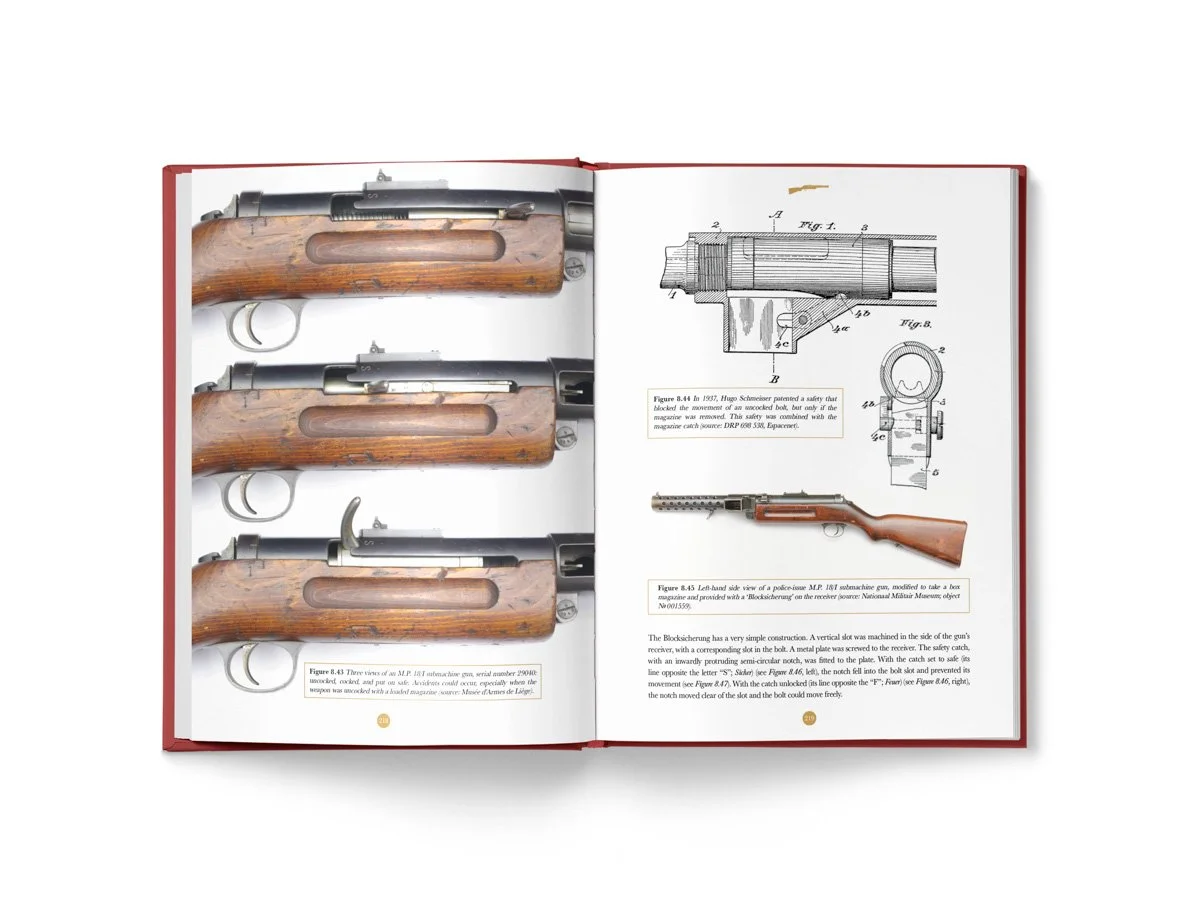 Image 10 of 10
About:
Hugo Schmeisser’s name is synonymous with the development of some of the most influential submachine guns of the 20th century, yet myths and misinformation continue to obscure some of the fascinating real stories of their design. The Real Schmeissers offers an in-depth exploration of Schmeisser’s legacy, tracing the evolution of his iconic weapons from their origins in World War I through to their adoption and widespread influence across the globe.
Drawing on more than two decades of research, established small arms expert Bas Martens delves into Schmeisser’s career with the Bergmann company and C.G. Haenel, examining his pivotal role in the design and development of submachine guns such as the M.P. 18/I, the M.P. 28/II, M.P. 41, and others. This monumental book explores the intricate web of economic, industrial, and political factors that shaped the rise of these revolutionary weapons, describing key milestones in development, trials, adoption, export, and use, and considering Schmeisser’s significant international impact.
The Real Schmeissers examines a wide range of key firearms from the period, including:
Early submachine guns, including the Villar Perosa, Revelli–Beretta, Netsch, and Hellriegel
The first German SMGs, including converted Luger pistols, the Mauser Trench Carbine, and Walther designs
Schwarzlose
SIG and SIG Bergmann models
M.P. 18/I and variants
M.P. 18/II, M.P. 18/III, and M.P. 18/IV
Schmeisser pocket pistols
M.P. 28/II and its competitors (such as the Erma EMP)
M.K. 36/II and M.K. 36/III
M.P. 41
Local copies and derivatives, including the Spanish ‘Naranjero’, the Finnish Lindelöf, and the British Lanchester
Along the way, Martens traces the trials, adoption, and use of Schmeisser’s designs in German service, but also their widespread export and influence on foreign arms designers and military forces. The author also describes some of Hugo Schmeisser’s more exotic designs—such as a small-caliber training machine gun, and devices for echolocation and machine gun imitation—and looks at the significant variety of magazines and accessories associated with Schmeisser's submachine gun designs.
Illustrated with beautiful new photography—supplemented by rare archival images, blueprints, and patent diagrams—this meticulously researched book sheds light on fascinating stories of prototypes, trials, and foreign sales that have remained hidden until now. Appendices include a full parts list for the M.P. 28/II, with a German/English glossary for each component; key contracts translated into English; and several important Bergmann and Schmeisser patents translated into English, contextualized, and annotated. The text is fully referenced, and an extensive bibliography is provided to assist further research.
Richly detailed and lavishly presented, The Real Schmeissers offers an unprecedented look at the legacy of Hugo Schmeisser, his groundbreaking designs, and their enduring influence on global firearms development. This book is likely to stand as the definitive reference work on Hugo Schmeisser’s submachine guns for decades to come.